Dr. Joy
“My journey has fueled my passion to create safe spaces for women to recognize their worth, break free from the cycles of trauma, and reclaim their divine power—not just in individual moments but in rewriting the stories that legitimize abuse and diminish our sense of value.”
Dr. Joy’s own journey with abuse has fuelled her commitment to helping women heal from trauma by reclaiming their bodies, their voices, and their sense of self. A licensed marriage and family therapist, she brings over a decade of experience in domestic-violence response and another in private practice. She’s also an author, a trauma-informed sensual yoga teacher, and a leading “goddess glow up” expert whose work blends psychology, embodiment, and practical tools to guide women back to themselves.
Through The Joy Collective, Dr. Joy leads support groups where women can speak openly, shed shame, and rewrite their stories. Through her yoga practice, she helps women reconnect with their bodies in ways they were told not to. Through her books, she opens the door to new possibilities. And through therapy, she walks with women as they process trauma and move forward with strength and agency. At the center of everything Dr. Joy does is one mission: to help women begin their “glow up” journey from within, so that they can rise beyond the systems and people who once tried to silence them, reclaim their power, and start living. This is her story.
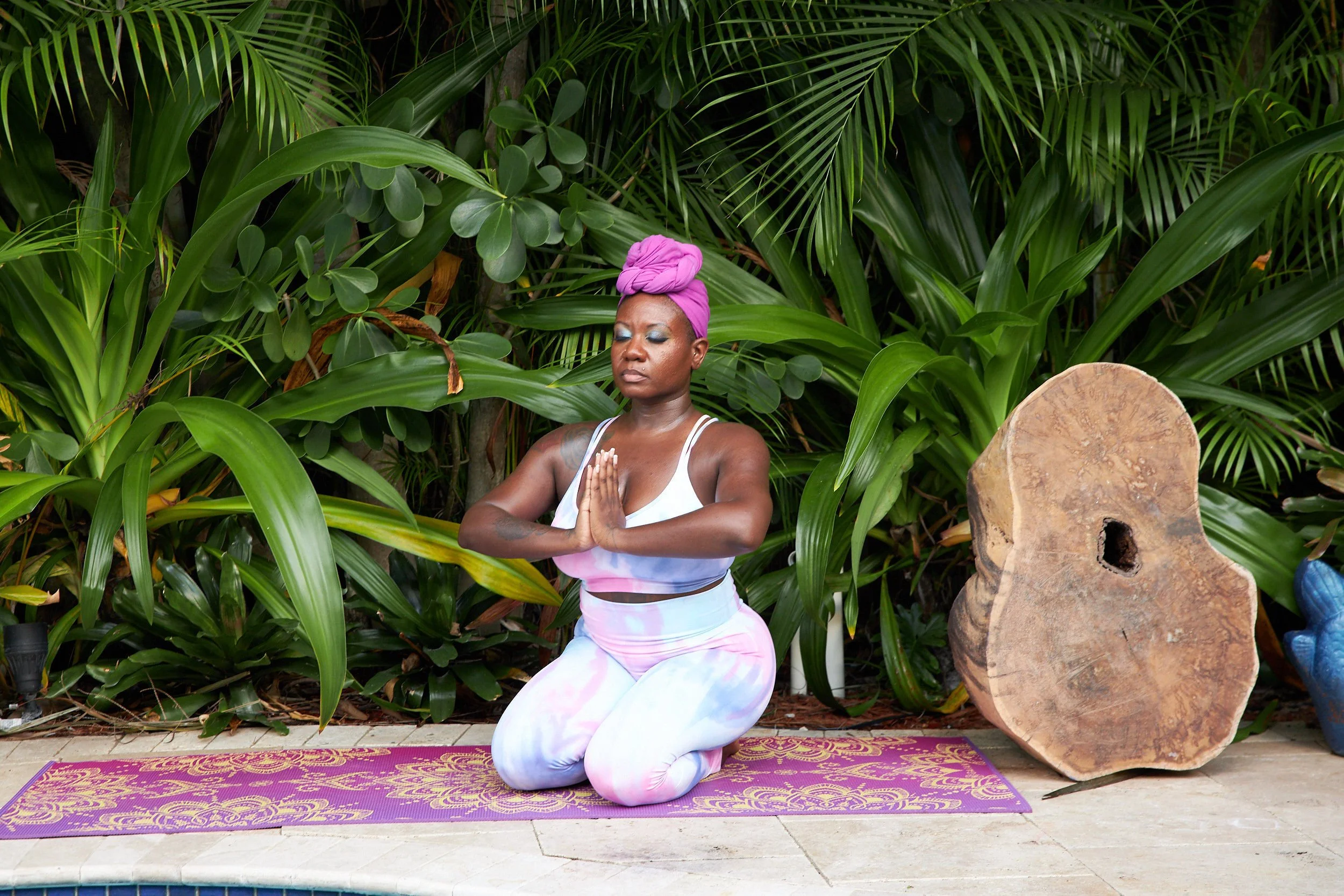
P: Please introduce yourself — who is Dr. Joy?
J: Hi, I’m Dr. Joy—a big believer that we are all divine, radiant beings here to remember our true power, our pleasure, and our purpose. I’ve earned my PhD in Clinical Sexology, and I’m also a licensed marriage and family therapist, with over 10 years of experience in private practice starting this coming January. I’m certified in trauma-informed sensual yoga, but honestly, titles only scratch the surface of who I am. At my core, I see myself as a sacred guide, helping women navigate the journey back home to their bodies, their sensual truths, and their divine essence.
I’ve also cultivated a vibrant virtual community—a space filled with those who are healing and still healing from all kinds of abuse—whether narcissistic, romantic, or sensual. It’s a place where we come together, found family style, to support each other, share stories, and celebrate breakthroughs. More than anything, I hold a deep knowing that everything is love and that everything is sacred.
My work is rooted in the philosophy that when we reclaim our pleasure, our embodiment, we unlock the deepest parts of ourselves and deepen our connection to the divine that lives within us and all around us. It’s about remembering who we are at our core—powerful, radiant, and worthy of all the love, joy, and pleasure life has to offer.
P: You’re known as the Nation’s #1 Goddess Glow Up Expert. What does “glowing up” really mean to you?
J: To me, a “glow up” isn’t just about changing how you look on the outside, it’s about shedding everything that’s not aligned with your true self. It’s about remembering your unique and much needed power, claiming your sovereignty, and radiating who you are at your highest, most authentic level. Glowing up is an inner journey of self-love, healing, and embodiment—letting your confidence and beauty shine from deep within and showing up in the world unapologetically.
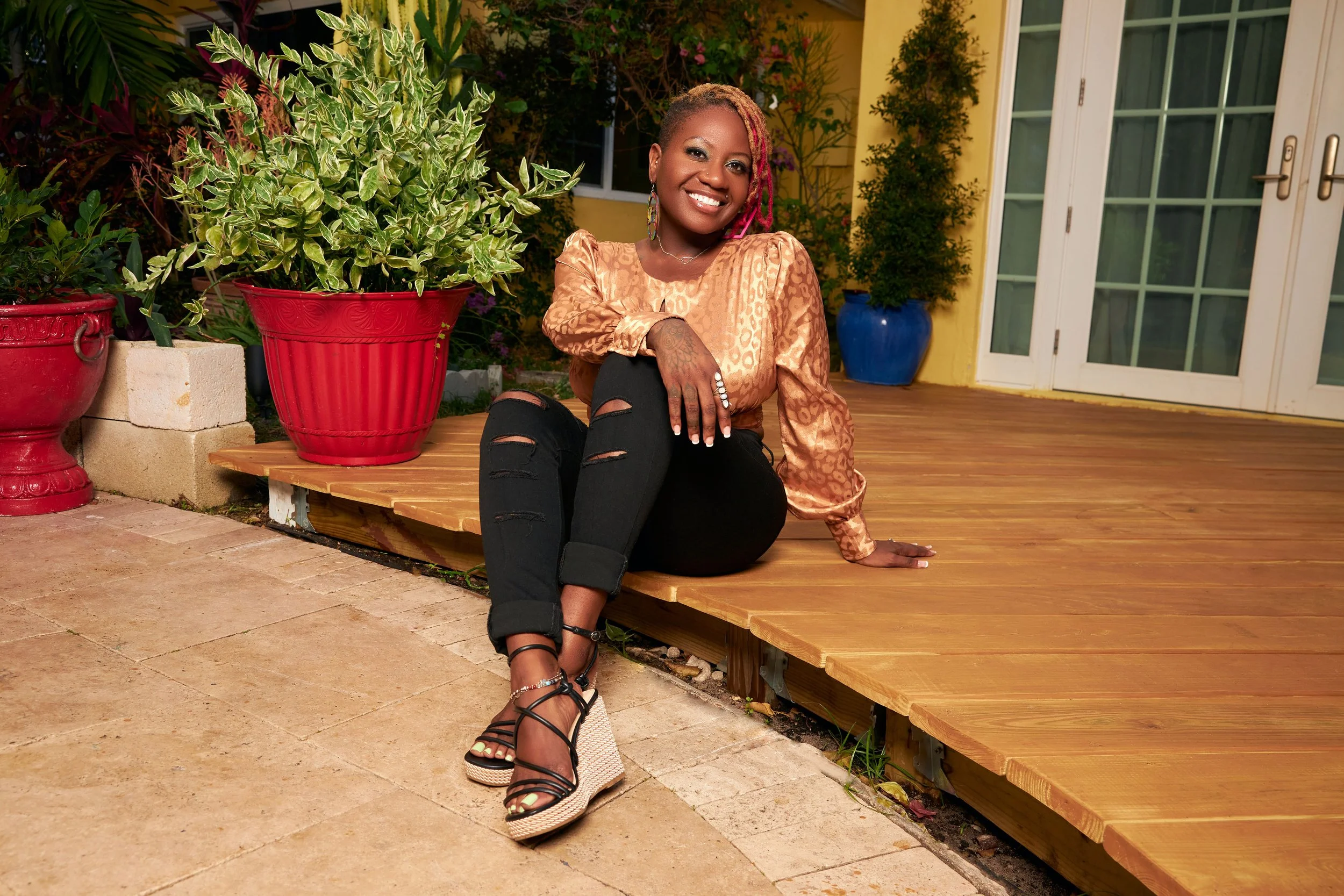
P: Your mission centers on helping women cultivate deep self-love. How do you guide them on that journey? Feel free to mention your support groups here too!
J: My approach is simple yet profoundly effective: I meet women exactly where they are, honoring their unique stories, wounds, and journeys. A crucial part of this process involves helping them reconnect with their bodies as sacred temples—places of power, pleasure, and truth. Through embodied practices like sensual yoga, rituals, and community circles, women learn to listen to their intuition, reclaim their pleasure, and step fully into their worth.
A significant component of this work is my community platform, The Joy Collective Groups. This supportive space has become a sanctuary for women seeking validation, connection, and collective healing. It’s a place where women come together—whether in online groups, support circles, or retreats—to share their truths without judgment, celebrate their victories, and hold each other in sacred sisterhood. These spaces foster honest conversations about healing from trauma, navigating societal pressures, and embracing their authentic selves.
What makes The Joy Collective so impactful is its focus on collective healing—women realize they are not alone in their struggles, and together, they build resilience, confidence, and deep self-love. It’s in these shared spaces that vulnerability blossoms into empowerment, and the act of holding space for each other helps rewrite stories of shame and silence into narratives of strength and sisterhood.
Because real self-love isn’t just an individual journey—it’s cultivated through community, honesty, and the gentle reminder that we are enough just as we are. The Joy Collective Groups are a vital part of creating that ripple effect of transformation, impacting our community by nurturing empowered women who uplift and support one another in their growth and healing.
P: You created the first-ever trauma-informed sensual yoga practice. Can you share what that means — and how it helps women heal through movement?
J: I want to clarify that I didn’t invent sensual yoga, but I was fortunate to be part of the first wave of certified teachers in a movement that’s expansive and deeply rooted in healing. My journey with this practice began when I engaged in groundbreaking training, and over time, I cultivated my own approach—centered on the unique needs and experiences of women of color and those with intersectional identities.
Sensual yoga, as I teach it, emphasizes reconnecting women with their body’s innate sense of wisdom and pleasure. It’s about cultivating awareness of how we move, breathe, and touch ourselves in ways that restore trust and vitality—especially after trauma. This practice acts as a gentle yet potent reminder that our bodies are sacred, deserving of love, respect, and sovereignty. It provides a space where women can safely explore their sensuality and begin to embody their truth—transforming pain and shame into a source of power and liberation.
For women—particularly women of color, women with faith-based identities, or those taught to keep their sensuality small—their bodies are often conditioned to be hyper-vigilant, cautious of being taken advantage of, shamed, or ignored. Moving in a way that feels “forbidden” or taboo can be an act of reclaiming sovereignty, reminding the brain and body that this vessel is sacred and belongs solely to you. Through gentle, deliberate movement, women begin to re-establish trust in their bodies and recognize that their sensuality and power are sacred, that they have full control over how and when they express it.
My work is also grounded in cutting-edge research, including how trauma affects the brain and nervous system—such as polyvagal theory—and the healing impacts of practices like yoga, movement, and gaze fixation exercises. For example, techniques like "dristi" or specialized gaze spots—used both in yoga and brainspotting—help rewire the nervous system by activating specific parts of the brain linked to trauma processing and regulation.
Movement—especially movement that’s seen as “forbidden” or taboo—speaks to the brain’s understanding of sovereignty. When women consciously move, breathe, and express themselves in ways that affirm their right to their bodies, they begin to rewrite the narrative of shame and suppression. It’s about opening or closing at will, choosing when to reveal or protect, and feeling deep in their bones that their body is sacred and theirs alone.
This practice supports healing by shifting trauma from the subconscious into awareness, releasing stored tension and shame, and cultivating a sense of embodied safety. It’s a gentle yet powerful way for women to turn trauma into liberation—transforming survival into thriving and embodied sovereignty.
P: You spent a decade working in the Domestic Violence Unit. How did that experience shape your passion for helping women reclaim their power and worth?
J: That experience was a profound catalyst for my deep commitment to empowerment and healing. Working directly with women in crisis opened my eyes to the insidious ways trauma, shame, and societal conditioning can strip women of their power and sense of worth. I saw firsthand how the psychological pull of toxic love—and trauma bonds—can keep women entangled in cycles of abuse. It made me painfully aware of how unhealed wounds from family origins—the narratives, beliefs, and patterns we inherit—operate like invisible chains, pulling us back into familiar, destructive situations.
Through my work, I observed how our entire community dialogue is often rooted in grooming women to accept abuse as normal or inevitable. Families and communities can condition us to view abuse as just part of life—episodes of disrespect, manipulation, and violence that everyone “just deals with.” When women grow up seeing their mothers, aunts, or sisters endure the same treatment, it becomes almost like a rite of passage or a duty. To leave those situations can feel like disrespecting or abandoning the family expectations, or worse, being selfish for prioritizing one’s own safety and dignity.
What struck me most is how deeply the social conditioning and gaslighting play out—families and peers will often convince women not to press charges or seek help, warning them that doing so will “break up the family” or make them seem ungrateful or unpatriotic. For the empathic, compassionate woman, this can lead to hyper-empathy for the abuser—believing it’s her responsibility to ‘save’ him, to fix what’s broken, rather than walking away.
I responded directly to the homes of women after abuse incidents, witnessing the psychological warfare unfolding—how old stories of unworthiness, guilt, obligation, and “selfishness” get spun and reinforced by family and community members. I saw how, despite many women reporting truth in crisis, by the time they faced the court or community, those same stories had been repackaged to keep them small, guilt-ridden, or silent. I watched those cycles worsen over time—abuse escalating, victims feeling more trapped and confused.
This visceral experience made me dig deeper—seeking to understand the roots of this cycle. I returned to school to earn dual masters in couples counseling and mental health counseling, driven by a desire to understand what lasting healing looks like. I realized that healing isn’t just about addressing the immediate circumstance; it involves acknowledging and dismantling the family systems, secrets, and conditioning that trap victims in victimhood.
Understanding what it means to truly heal involves shining a light on the collective lies that keep us resigned—these secrets and the unspoken rules of family and community that foster denial, shame, and silence. My journey has fueled my passion to create safe spaces for women to recognize their worth, break free from the cycles of trauma, and reclaim their divine power—not just in individual moments but in rewriting the stories that legitimize abuse and diminish our sense of value.
P: You’re also an author — tell us about your book and what inspired it.
J: Yes, I’ve written a few books that delve into the deeper layers of love, worthiness, and embodiment. One of them, Why Hasn’t She Answered, explores the subconscious blocks that prevent women from fully opening to love and trust. It’s about uncovering those hidden fears, past wounds, and societal conditioning that often keep us feeling stuck, invisible, or disconnected from our most radiant selves.
My inspiration for writing these works truly comes from my own journey—fighting for my freedom and healing from the wounds inflicted within my family and community. I grew up experiencing sexual, mental, and physical abuse from my family—trauma that remains unacknowledged because shame keeps secrets buried. Families often gaslight us, telling us what happened wasn’t real, or that it was our fault. Speaking out can feel like risking complete shunning or isolation, so many of us remain silent, carrying those secrets in silence and pain.
I wanted to create guides and resources that speak directly to the spirit of those who are hungry to fly free despite these heavy burdens. I wanted to normalize the pain many of us carry in silence, and remind survivors that they are not alone, that their worth, pleasure, and power are valid and present despite the lies and manipulations we’ve been sold.
My work is rooted in the belief that secrets keep us sick, and that shedding light—sharing our truths with compassion and support—is a path to liberation. It’s about breaking free from the manipulative scripts and shame cycles that many of our families uphold. The speaking I continue to do, and my books, come with the sacrifice of community acceptance some may shun or judge me for speaking out. But I hold onto the hope that my nieces and nephews, even my own children and others in similar situations will see that it’s possible to speak their truth, to leave behind toxic environments, and to live with others who genuinely seek growth, healing, and authenticity.
My greatest motivation is the possibility that my story, and the stories of others who have survived in silence, can be a lighthouse for someone else—showing that healing, freedom, and joy are attainable, and that living your truth is worth the sacrifice. I am inspired daily by the bravery of other authors and survivors who choose to shine a light for those still navigating darkness, reminding us all that we have the power to rewrite our stories and reclaim our lives.
P: For women ready to begin their “glow up” journey, what’s the first step you’d recommend?
J: The first step is really about reconnecting with your body as your own personal temple. Becoming aware that your body is sacred and it is YOURS. It’s so important to start to listen to your intuitive voice, which we tap into when we get quiet. It’s a process of trusting your desires, trusting boundaries you need and want to set for yourself and getting clear on what energy you want to embody each day. Who do you want to be when you’re living in your most loved self? The “glow up” is not necessarily about you getting better than others or even yourself. It’s about shedding the shadow, the stories told about you by others, that we owned as truth for so long. It’s about removing the barriers to the glow up, the tenacity, the brilliance, the resilience your true essence possessed all along.
Start by slowing down and listening—pay attention to what feels vibrant and alive in you, and what areas of your body need more love and attention. You can begin with simple practices like breathwork, gentle movement, or even setting an intention to honor your desire. Give yourself permission to feel what’s present without judgment. From there, everything else begins to shift naturally—you start to embody your worth and spark your inner glow.
P: In your perspective, what does it truly mean for a woman to “glow”?
J: For me, the idea of a woman’s “glow” goes far beyond just outward appearances. It’s really about that inner radiance, an authentic, luminous energy that shines from within. When a woman is truly in touch with herself, loving herself unconditionally, and confidently living in her truth, her glow becomes undeniable.
For example, imagine a woman growing up in a community or family where she is constantly told she needs to look and act a certain way to be accepted. Her glow might be about standing tall and embracing her unique beauty and voice despite those voices trying to diminish her. Or consider a woman of color navigating spaces where she’s often the only one like her—her glow might be the quiet confidence that she belongs and that her identity is powerful and beautiful, even when others don’t always see it.
Or think about a woman in a religious community where most around her follow a different spiritual path—her glow could come from owning her own spirituality and living with courage, even if it means going against the grain. It’s about trusting your instincts and living in alignment with your highest self, regardless of external expectations.
Her glow emerges from her sacred power and genuine joy—it's the energy that lights up her presence, her vibe, her entire being. When she embraces who she is at her core whether that’s her racial identity, her spiritual beliefs, or her personal truth and does so unapologetically, that inner light radiates outward.
So, a woman’s glow is not about fitting into one mold or conforming to others’ standards; it’s about embodying her truth boldly and letting that authenticity shine through in every aspect of her life. That’s what true glow really is - it’s an authentic expression of self-love, self-trust, and resilience in all the complexities that make us uniquely us.
P: And finally — what does womanhood mean to you?
J: To me, womanhood is about reclaiming your divine essence, the realization that you are a source of creation, love, and infinite power. It’s about honoring your cycles, your softness, and your strength as equally sacred. Womanhood isn’t about fitting into someone else’s idea of perfect; it’s about owning your unique expression and living your truth boldly, knowing you are connected to a vast lineage of goddess energy that flows through you.