Elena Medo
“So much of what drives women, whether in science, caregiving, leadership, or everyday life, is a commitment to improving outcomes for others.”
Elena Medo has been a pioneer in human milk science for nearly 40 years, transforming the way hospitals and families nourish fragile infants. Her work spans innovation, advocacy, and education, introducing solutions that make human milk safer, more accessible, and better preserved. She has invented breakthrough products, including the world’s first human milk fortifier made entirely from human milk, and continues to lead new advancements at her company, Leonie Health PBC. Her work has helped to combat structural barriers that impact maternal and infant health, including the spread of misinformation and gaps in guidance, resources, and policy. Through decades of leadership and scientific contribution, Elena continues to make critical strides for mothers, babies, and the healthcare system as a whole. This is her story.
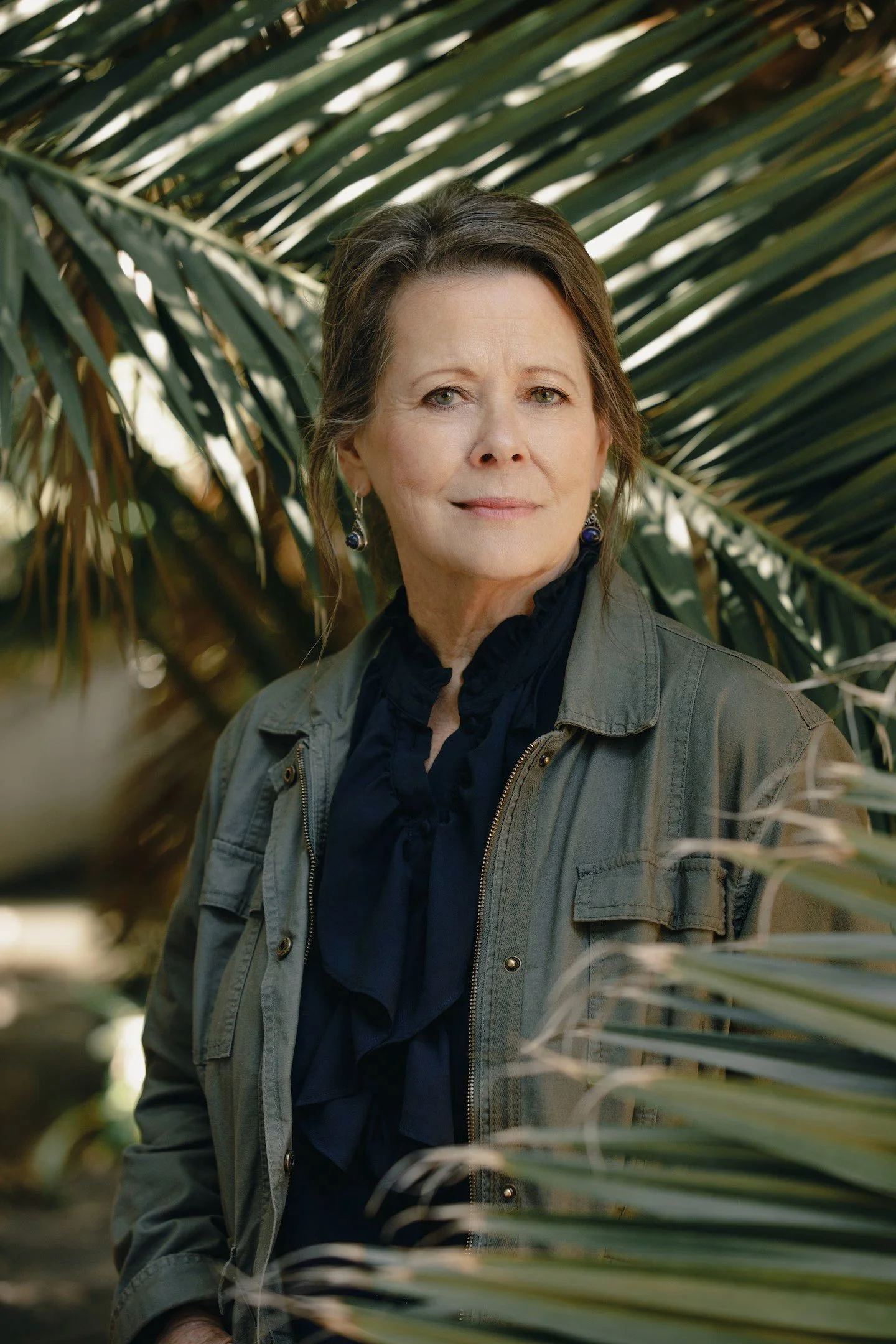
K: Please introduce yourself — who is Elena Medo?
E: I’m Elena Medo, a scientist, entrepreneur, and mother who has dedicated nearly four decades to advancing human milk science. My mission has always been clear: to ensure fragile infants, especially those in the NICU, have access to real human milk.
My work began as a breastfeeding mother determined to solve real challenges. That led to my first innovation, a breast pump that mimicked a baby’s natural suckling, helping mothers increase milk supply and even re-lactate. It opened the door to NICUs, where I saw firsthand the urgent need for better access to human milk, and that became my life’s purpose.
Over the years, I’ve founded multiple companies and brought forward key advancements, including the world’s first human milk fortifier made from 100% human milk. My focus has consistently been on three priorities: making human milk safer, preventing shortages, and preserving its biological benefits, especially the immune components often lost in traditional processing.
Today, at my new company, Leonie Health PBC, I’m developing an infant nutritional product that preserves those critical bioactive components while meeting the highest safety standards. It’s aimed at reshaping how hospitals nourish infants and reducing neonatal infections such as ventilator-associated pneumonia, necrotizing enterocolitis, and sepsis.
K: What sparked your passion for maternal and infant nutrition?
E: My passion began early, through a powerful personal influence, my neighbor, a La Leche League leader, who guided and supported me at a time when I might not have succeeded otherwise. That experience showed me how transformative the right support can be for a mother and baby. Over time, that awareness deepened into a mission to solve structural gaps in maternal and infant care, especially where systems fail families who want to breastfeed or provide human milk.
As my career evolved, it became clear that infant feeding isn’t just about nutrition; it intersects with healthcare access, workplace equity, economic stability, and public health. I became driven by one central question: What happens when a mother wants to provide human milk and the system makes it nearly impossible?
K: What inspired you to launch Leonie Health, and why now?
E: Throughout my career, I’ve seen extraordinary innovation in health care, but also persistent failure when it comes to protecting and scaling access to human milk. I’ve built a breast pump company, developed the first shelf-stable donor milk ideal for global humanitarian use, and witnessed firsthand how systemic barriers, policy, misinformation, inequity, and commercial interests limit maternal and infant health. Leonie Health is the culmination of those lessons, and the timing is urgent. Mothers are returning to work an average of two weeks postpartum, misinformation is rampant, pumping guidance is often unsafe, and formula marketing is more aggressive than ever. The need is no longer incremental improvement; it's transformation.
K: Much of your work centers on the science and unique benefits of human milk. What makes it so extraordinary — and why is colostrum such a game-changer for health and healing?
E: Human milk is a living biological system, not just food. It contains immune cells, antibodies, antioxidants, nutrients, and protective compounds that continually adapt to the infant's needs. It is unmatched in its ability to support brain development, immune defense, and long-term health. When stored properly, it retains most of those benefits, but poor handling and unsafe advice, like refrigerating unwashed pump parts, can introduce risk. The issue is not human milk itself, but access to accurate education and safe handling practices.
Colostrum, the first milk that comes from a mother in the first few days after giving birth, is in a category of its own. It is densely packed with bioactive immune components and functions almost like an infant’s first vaccine, kick-starting immune development and gut protection. Its healing properties and immunologic impact are why it plays such a critical role in neonatal health, especially for medically fragile infants.
K: What's one truth about human milk or neonatal nutrition that you wish everyone knew?
E: That breastfeeding is not a matter of choice alone; it is a matter of honest conversations about why it will make a lifelong impact on the baby’s health, combined with structural support. Most mothers want to breastfeed, but many fail not because of a lack of desire or biology, but because they return to work too early, get incorrect medical advice, lack hands-on lactation support, or encounter systems designed around formula feeding, not human milk feeding. Statements that equate the value of human milk on par with infant formula are doing an injustice to new moms who deserve to know the dramatic advantages of human milk for their infants.
Another truth: the benefits of human milk are undeniable, yet we still hesitate to clearly communicate this to mothers for fear of making them feel guilty. We would never withhold guidance about car seats or safe sleep to avoid discomfort; infant nutrition should be no different. Science is not judgment; it is empowerment, and breastmilk is a science, not a religion.
K: How is your work breaking barriers to access and improving outcomes for women and infants?
E: My work has centered on making human milk feasible in environments where it historically hasn’t been. I focus on practical barriers: education, safety, access, transportation, workplace policy, and equitable distribution of life-saving resources like donor milk. By pushing for systemic support, 24/7 lactation hotlines, federally supported donor milk coverage, workplace accommodations, and a sanitary infrastructure for pumping and milk handling, we move from offering theoretical support to creating real, measurable health outcomes for both mothers and infants.
K: What innovations or breakthroughs in human milk science excite you most right now?
E: What excites me most is momentum toward scalable access: new forms of shelf-stable donor milk, deeper scientific understanding of human milk’s immune and bioactive components, and renewed attention to systems that deliver milk safely across long distances for preterm or vulnerable babies. These advances demonstrate that human milk can serve not only as nourishment but also as a global health intervention.
I’m also encouraged by growing recognition that storage, handling, and safety matter just as much as supply. We now understand that temperature fluctuations can degrade key immune compounds and that prolonged freezing may lead to less-than-ideal outcomes. Even issues like poor pump design and hygiene are pushing the industry toward smarter technology and better education, advancements that ultimately support healthier results for infants.
K: You’ve built your career in spaces where women’s voices and wellbeing haven’t always been prioritized. How have you navigated that?
E: I’ve navigated those environments with two things: tenacity and a deep passion for improving outcomes. Without both, it’s nearly impossible to bring meaningful innovation forward. There were plenty of moments when women’s perspectives weren’t taken seriously, or when bias made the path harder than it needed to be. Instead of letting that stop me, I stayed determined, anchored myself to the mission, and kept moving. I learned early on that “giving up” guarantees defeat, so persistence became one of my greatest tools.
At the same time, I became very intentional about where I spent my time and energy. I stopped trying to convince people who had already decided not to listen and focused instead on allies, mentors, and decision-makers who were genuinely open to progress. Trusting my instincts was key; when something felt “off,” I listened. And when someone offered real encouragement or support, I let that fuel me forward. In the end, navigating these spaces wasn’t about changing the system overnight; it was about staying resilient, protecting the mission, and refusing to let barriers stand in the way of better outcomes for women, babies, and families.
K: Why is it so important to have more women leading businesses like yours?
E: I believe there should be more women leading all kinds of businesses, not just those focused on health or caregiving. When women are in decision-making roles, they bring perspectives shaped by lived experience, and that often leads to solutions that better reflect real needs. In my space specifically, so much of the science, the patient experience, and even the innovation pipeline ties back to women’s bodies and women’s wellbeing. It’s only logical that women have a voice and a seat at the head of the table when those are the stakes.
K: Finally — what does being a woman mean?
E: For me, being a woman means working to make the world a better place. So much of what drives women, whether in science, caregiving, leadership, or everyday life, is a commitment to improving outcomes for others. It’s about showing up with purpose, using our strengths to create progress, and refusing to accept the status quo when we know things can be better.
It also means leading with resilience and heart. Women have always carried the dual weight of responsibility and possibility, often pushing forward in spaces where our voices weren’t prioritized. To be a woman is to turn that challenge into fuel, to innovate, to advocate, and to leave things stronger than we found them.